|
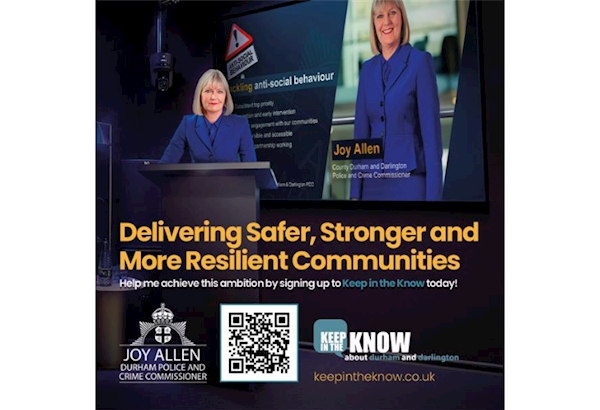
Last week, I was invited to join some of the country's leading voices on policing and public safety at the Cityforum conference in London. Alongside national leaders responsible for delivering the Neighbourhood Policing Guarantee, tackling Violence Against Women and Girls, Police Reform and Serious Violence reduction, we debated one simple but important question: How do we create safer streets while rebuilding public confidence in policing?
My message was clear. If we are serious about creating safer communities, we cannot simply respond to crime and anti-social behaviour after it has happened. We must do far more to prevent it happening in the first place.
That is why Anti-Social Behaviour Awareness Week matters.
Anti-social behaviour is too often dismissed as "low-level" crime. Tell that to the elderly residents frightened to leave their home because of intimidation outside their front door. Tell that to the family kept awake night after night by persistent disorder. Tell that to the local business losing customers because people no longer feel safe visiting the town centre. For those living with it, there is nothing low-level about its impact.
When I developed my Police, Crime and Justice Plan, residents across County Durham and Darlington told me that anti-social behaviour was one of their top priorities, which is why I have made it one of mine.
But my experience, shared by colleagues from across policing and public services last week, is that enforcement alone is not enough. We cannot arrest our way out of anti-social behaviour. Visible neighbourhood policing is essential, and those who break the law must face the consequences of their actions and behaviour. But lasting success comes when we combine enforcement with prevention, early intervention and genuine partnership working.
Through additional neighbourhood patrols, targeted hotspot policing and investment in problem-solving, we have delivered significant reductions in anti-social behaviour across communities including Bishop Auckland, Newton Aycliffe, Crook, Horden and Consett.
Just as importantly, we have invested in young people, strengthened support for victims, worked alongside schools, councils, housing providers and voluntary organisations, and introduced innovative initiatives such as our nationally recognised Anti-Social Behaviour Victims' Champion.
These are not isolated projects. They are part of a wider belief that safer streets are created when every organisation, every community and every resident play their part.
As discussions at Cityforum demonstrated, this is increasingly the national direction of travel. Strong neighbourhood policing, backed by prevention, partnership and early intervention, offers the best opportunity to reduce crime, cut demand on public services and rebuild confidence.
A first-class service to victims starts long before someone becomes a victim. It starts by preventing crime, protecting our communities, and ensuring that everyone can feel safe where they live and lasting change comes from tackling the causes of anti-social behaviour before they become crimes.
Safer, stronger, and more resilient communities are created when we share responsibility, share information and ambition.
|